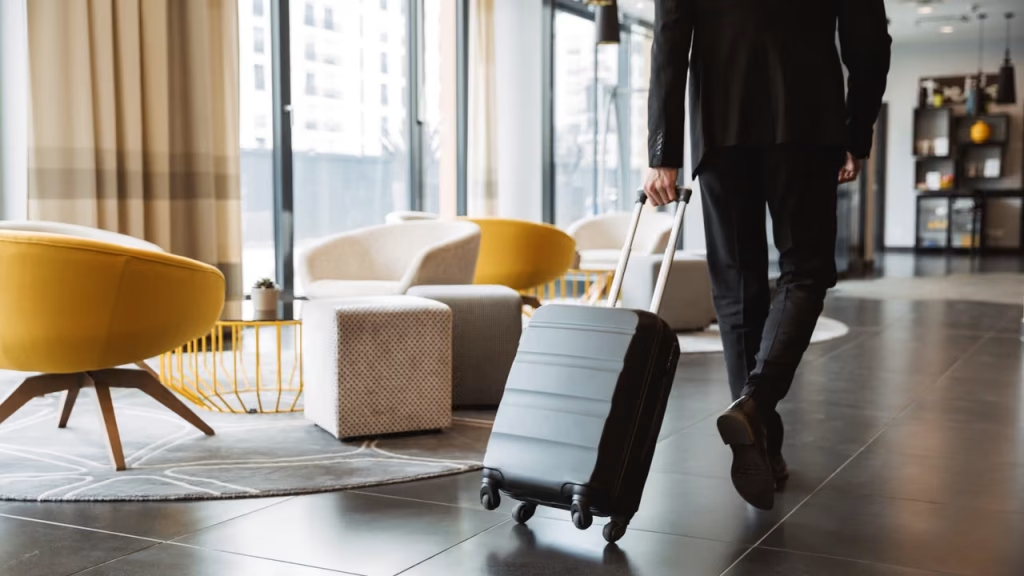
What does the future of hotels look like when the traditional business traveler fades into a world dominated by remote work and digital nomads? The hospitality industry is facing a transformation, and it’s not just about upgrading rooms or adding spas. Hotels are reshaping their entire approach, turning spaces once designed purely for leisure or brief stays into dynamic work-friendly environments tailored for the remote workforce.
Reimagining Hotel Spaces for Remote Workers
Remote work has redefined where and how people get their jobs done, and hotels are catching on fast. No longer just places to sleep, many hotels are redesigning their physical spaces to support productivity. This means more than just a desk in the room. Public areas are being converted into coworking lounges with comfortable seating, ample power outlets, and quiet zones.
Hotels are also experimenting with flexibility. Rooms now sometimes double as office spaces during the day, equipped with ergonomic furniture and adjustable lighting to reduce eye strain and improve focus. Outdoor areas—gardens, rooftops, terraces—are being outfitted with Wi-Fi and power sources, giving guests the option to work in fresh air, a crucial perk for mental well-being.
Technology and Connectivity Upgrades in Hotels
Reliable, high-speed internet is the backbone of remote work, so hotels have had to invest heavily in their network infrastructure. Gone are the days when hotel Wi-Fi was a gamble; today, many properties offer gigabit-speed connections with minimal latency to accommodate video calls, cloud computing, and large file transfers seamlessly.
Some hotels have added dedicated meeting rooms equipped with video conferencing technology, soundproofing, and tech support on call. Others provide rental options for devices like monitors, keyboards, and noise-canceling headphones to enhance the in-room work experience.
Mobile apps tailored to hotel services also help remote workers manage their day, allowing them to book workspaces, order food, or schedule cleaning without interrupting their workflow.
Balancing Leisure and Work Amenities
Work-life balance is critical, especially for remote workers who blur the lines between office and home. Hotels are responding by blending work-friendly features with leisure amenities to keep guests refreshed and motivated.
Fitness centers, yoga studios, and wellness programs are often integrated with wellness breaks in mind, encouraging guests to step away from their screens. On-site cafes and healthy dining options support sustained energy levels throughout the day.
Social spaces have shifted focus too, creating opportunities for networking among remote professionals. Some hotels host events, workshops, or informal meetups to build a community vibe. This is particularly appealing to digital nomads who seek connection beyond their screens.
Case Studies Hotels Successfully Catering to Digital Nomads
- The Hoxton – With locations in major cities like London and Amsterdam, The Hoxton has revamped its lobby areas into buzzing coworking hubs. Their “Working From The Hoxton” initiative offers flexible day passes for locals and travelers alike, combining a café atmosphere with reliable internet and plenty of power outlets.
- Selina – Known for targeting digital nomads, Selina blends affordable accommodation with coworking spaces and wellness programs. Their properties often feature communal kitchens, workshops, and adventure activities, appealing to remote workers who want more than just a place to plug in.
- Marriott’s Moxy Hotels – Moxy has embraced a youthful, vibrant design that includes communal tables, mood lighting, and fast Wi-Fi. Their “Work Hard, Play Hard” philosophy encourages guests to be productive while enjoying social lounges and nightlife within the hotel.
- Outsite – A network of coworking and coliving spaces specifically for remote workers, Outsite offers a hybrid model where guests can live and work in inspiring environments. Their locations provide fast internet, ergonomic workstations, and community events that foster both productivity and connection.