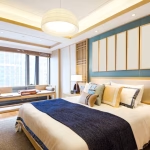
In an era where travelers crave authenticity and connection, boutique hotels are emerging as the heartfelt antidote to cookie-cutter hospitality. These small-scale establishments are not just places to sleep; they are experiences that resonate on a personal level, transforming the way guests perceive and enjoy their stays.
The Rise of Boutique Hotels in a Competitive Market
The hospitality industry has long been dominated by massive hotel chains, offering uniformity and predictability. Yet, this very predictability has paved the way for boutique hotels to carve out their niche. Over the last decade, travelers have increasingly sought accommodations that reflect local culture, tell a story, and provide a sense of belonging rather than anonymity.
Boutique hotels, typically housing fewer than 100 rooms, thrive on individuality. Their growth is a direct response to a market saturated with standardized options. According to recent industry reports, the boutique hotel segment has grown at twice the rate of traditional hotels, signaling a clear shift in guest preferences.
This rise isn’t just about size but about philosophy. Boutique hotels prioritize guest experience over volume, creating an intimate atmosphere where attention to detail matters. They compete not on price alone but on the quality of engagement, atmosphere, and distinctiveness.
Unique Design and Atmosphere Crafting Memorable Stays
One defining characteristic of boutique hotels is their commitment to unique design. Unlike chain hotels that rely on standardized decor, boutique properties often embrace local artistry, heritage, and architecture. This creates spaces that feel lived-in rather than manufactured.
Walking into a boutique hotel, guests might find hand-crafted furniture, locally sourced art, or thematic rooms that tell a story about the region. This design approach is not just decorative but intentional—each element aims to immerse guests in the locale’s character.
Atmosphere in boutique hotels is equally important. The lighting, scent, music, and even the layout are carefully curated to evoke emotions and memories. This ambiance encourages guests to linger, explore, and engage, making the stay an integral part of their travel experience rather than just a pit stop.
Examples of Signature Boutique Design Elements
- Heritage Restoration – Transforming historical buildings into vibrant hotels that preserve the past while providing modern comfort.
- Thematic Rooms – Designing rooms around themes like local folklore, famous artists, or natural landscapes.
- Artisanal Furnishings – Incorporating handcrafted items from local artisans to support the community and offer authenticity.
Personalized Services Beyond Standard Hospitality
Where boutique hotels truly set themselves apart is in the realm of personalized service. It’s not just about greeting guests by name; it’s about anticipating needs and crafting experiences that feel tailor-made.
Guests might receive customized welcome gifts, curated local recommendations, or flexible check-in and check-out times that accommodate unique travel schedules. Staff often act as local insiders, offering tips and connections that go beyond the usual guidebook suggestions.
Moreover, many boutique hotels foster genuine relationships between guests and staff. This human connection creates trust and comfort, making guests feel valued rather than just another reservation number.
How Personalized Service Translates into Guest Satisfaction
- Individual Attention: Staff remember preferences for future visits, from pillow types to favorite drinks.
- Experiential Offerings: Arranged private tours, cooking classes, or cultural workshops that reflect the guest’s interests.
- Flexible Policies: Adapting to guest needs such as late breakfasts or tailored room service menus.
Leveraging Technology Without Losing the Human Touch
Technology in boutique hotels is a double-edged sword. While it can streamline operations and enhance convenience, there’s a risk of losing the personal warmth that defines the boutique experience. The best boutique hotels strike a delicate balance, using tech to support—not replace—human interaction.
For example, mobile apps may be used for easy booking or room controls, but guests are still greeted by staff who provide personalized recommendations. Digital concierge services might offer quick information, while the front desk remains a hub for genuine conversation and customized assistance.
Many boutique hotels use data analytics to remember guest preferences and tailor services accordingly, but this information is wielded discreetly to enhance comfort rather than bombard guests with automation.
Technology Enhancements That Complement Boutique Hospitality
- Smart Room Controls: Allowing guests to adjust lighting and temperature with ease while preserving the cozy atmosphere.
- Personalized Mobile Apps: Providing access to exclusive offers, local event calendars, and direct communication with staff.
- Seamless Check-In/Out: Reducing wait times without sacrificing the opportunity for personalized greetings.
Ultimately, boutique hotels are rewriting the playbook on hospitality by blending the charm of bespoke service with the efficiencies of modern technology. They invite guests into spaces that feel like extensions of their own tastes and values, fostering memories that endure far beyond checkout.