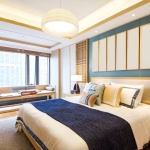
Hotels are reinventing themselves as hubs for remote work, responding to a shift that’s reshaping how and where people get their jobs done. The traditional image of a hotel as merely a place to sleep is evolving into something far more dynamic: a workspace that supports productivity without sacrificing comfort or convenience.
The Rise of Remote Work and Its Impact on Travel
Remote work isn’t a passing trend; it’s a fundamental change in how millions approach their careers. The pandemic accelerated what was already underway, with companies embracing flexible arrangements and employees seeking freedom from the confines of a fixed office. This shift has altered travel patterns dramatically.
People no longer travel solely for vacations or business meetings. Instead, they combine work and leisure, traveling to new places while continuing their professional commitments. This hybrid model, often called “workations,” demands accommodations that cater not just to relaxation but to productivity as well.
Innovative Workspace Amenities Offered by Hotels
Hotels are stepping up by incorporating amenities tailored specifically for remote workers. This goes far beyond a reliable Wi-Fi connection, although that remains critical. Here are some examples of what’s becoming standard or highly sought after:
- Dedicated Co-Working Spaces – Many hotels now offer shared work lounges designed with ergonomics and privacy in mind. These spaces feature adjustable desks, abundant power outlets, and soundproof pods for calls or video meetings.
- In-Room Office Setups – Recognizing that some guests prefer working privately, hotels provide rooms equipped with office chairs, larger desks, and enhanced lighting. Some even offer monitors or docking stations on request.
- Tech Support and Equipment Rentals – Quick access to IT assistance and the option to rent devices like printers or webcams help minimize disruptions and ensure work continuity.
- Flexible Meeting Rooms – For those needing to host small team gatherings or client meetings, hotels offer bookable conference rooms outfitted with the latest audiovisual technology.
- Enhanced Connectivity – Beyond fast Wi-Fi, some hotels invest in dedicated bandwidth for workspaces to avoid the bottlenecks common in public networks.
- Wellness Features – Recognizing the importance of mental health, hotels incorporate quiet zones, yoga rooms, and outdoor terraces to help guests decompress and maintain balance.
Balancing Work and Leisure The Hotel Experience
One of the biggest draws of working remotely from a hotel is the ability to blend productivity with relaxation effortlessly. Hotels are crafting environments where guests can transition from a focused work session to a swim in the pool or a stroll through local attractions without the usual commute hassles.
The hospitality industry understands that remote workers value flexibility. This has led to more adaptable booking options—like extended stays, day passes for co-working areas, and packages that include recreational activities. Food service has adapted too, offering healthy grab-and-go options and room service menus tailored to busy schedules.
Moreover, social opportunities remain important. Hotels host networking events, workshops, or casual meetups aimed at remote professionals, fostering community and collaboration in what might otherwise be a solitary experience.
Future Trends The Hotel as a Remote Office
Looking ahead, the hotel’s role as a remote office will deepen. Some concepts gaining traction include:
- Subscription Models – Guests might subscribe to a hotel or chain, gaining access to workspace amenities across multiple locations worldwide. This approach supports digital nomads who move frequently.
- Smart Rooms – Integration of IoT and AI to customize lighting, temperature, and even virtual assistant support based on individual work preferences.
- Hybrid Hospitality-Work Communities – Hotels may evolve into mini campuses where remote workers live, work, and socialize, with on-site childcare, fitness centers, and cultural programming.
- Green and Sustainable Workspaces – As environmental concerns rise, eco-friendly materials and energy-efficient technology will become standard, appealing to socially conscious professionals.
Hotels are no longer just places to rest—they’re becoming essential environments for the future of work. By creating spaces that accommodate professional needs alongside personal well-being, they’re capturing a new wave of travelers who refuse to choose between career and lifestyle.